
The information on this site is for educational purposes only and does not constitute medical advice. Always consult a qualified healthcare professional before making health decisions.
Why Daily Meal Planning Matters
Meal planning is far more than a schedule — it's a foundational practice for sustainable health and wellness.

Build Consistency Into Your Nutrition
When you plan your meals in advance, you eliminate the stress of last-minute decisions. This consistency allows your body to adapt to regular, balanced nutrition patterns, which supports steady energy levels throughout your day.
Planned meals also help you align your food choices with your personal wellness goals — whether that's exploring new cuisines, increasing vegetable intake, or simply ensuring adequate hydration alongside whole foods.
Five Core Features of Effective Meal Planning
These principles form the foundation of sustainable nutritional wellness.
Weekly Structure
Organizing meals by the week creates a rhythm that feels achievable. This timeframe is long enough to show patterns but short enough to remain flexible when life changes unexpectedly.
Seasonal Awareness
Aligning your meals with seasonal produce ensures peak nutrition and flavor. Seasonal foods are often more affordable and support local agriculture while providing variety throughout the year.
Balanced Plate Design
Learning to build balanced plates — combining whole grains, lean proteins, healthy fats, and colorful vegetables — is a skill that transforms every eating occasion into an opportunity for wellness.
Nutrition Tracking
Understanding the nutritional content of your meals helps you make intentional choices. This doesn't mean obsessive counting — simply awareness of macronutrients and micronutrients in your food.
Creative Flexibility
The best meal plans adapt to your preferences and lifestyle. Building in flexibility prevents rigid thinking and allows you to enjoy meals while still honoring your wellness intentions.
Family Integration
Meal planning that includes the whole family creates shared nutritional experiences. When everyone participates, you build lasting habits and strengthen connections around the table.
Your Meal Planning Journey: Step by Step
Follow this proven process to develop a meal planning practice that works for your life.
Assess Your Goals
Start by reflecting on your wellness intentions. Are you seeking more energy? Better digestion? Exploring new flavors? Clear intentions guide every planning decision you make.
Build Your Pantry
Stock essential whole foods that align with your goals. A well-stocked kitchen with quality ingredients makes spontaneous, healthy meals possible — not just planned ones.
Plan & Prep
Create a weekly menu based on your schedule and preferences. Include prep steps that fit your lifestyle — whether that's detailed recipes or simple ingredient combinations.
Reflect & Adjust
After each week, notice what worked and what didn't. Did certain meals satisfy you? Were portions right? Use these observations to refine your approach continuously.
Featured Meal Examples
Explore how real foods come together to create balanced, satisfying meals.
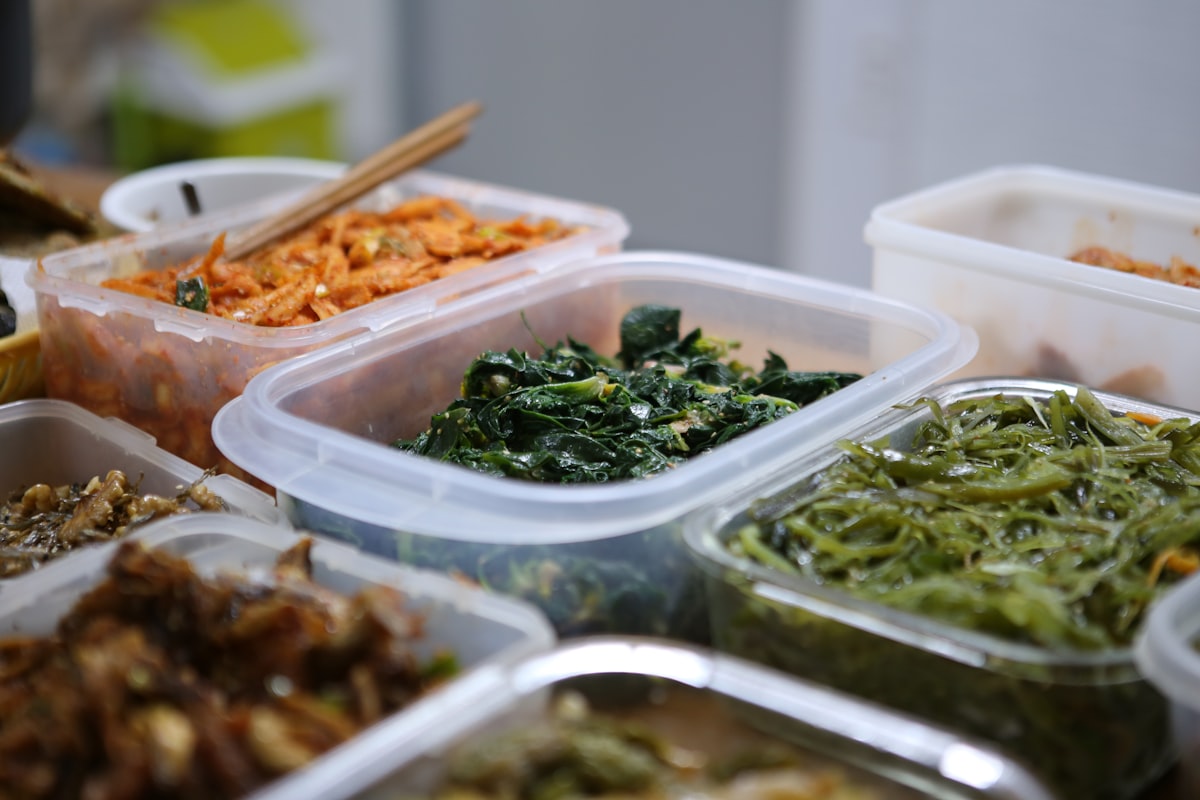
Rainbow Grain Bowl
A balanced foundation of whole grains, roasted vegetables, and lean protein topped with fresh herbs and a simple vinaigrette.
Nutrition focus: Complex carbohydrates, fiber, antioxidants

Mediterranean Salad
Fresh leafy greens combined with seasonal vegetables, quality olive oil, and plant-based protein for sustained energy.
Nutrition focus: Healthy fats, vitamins, minerals
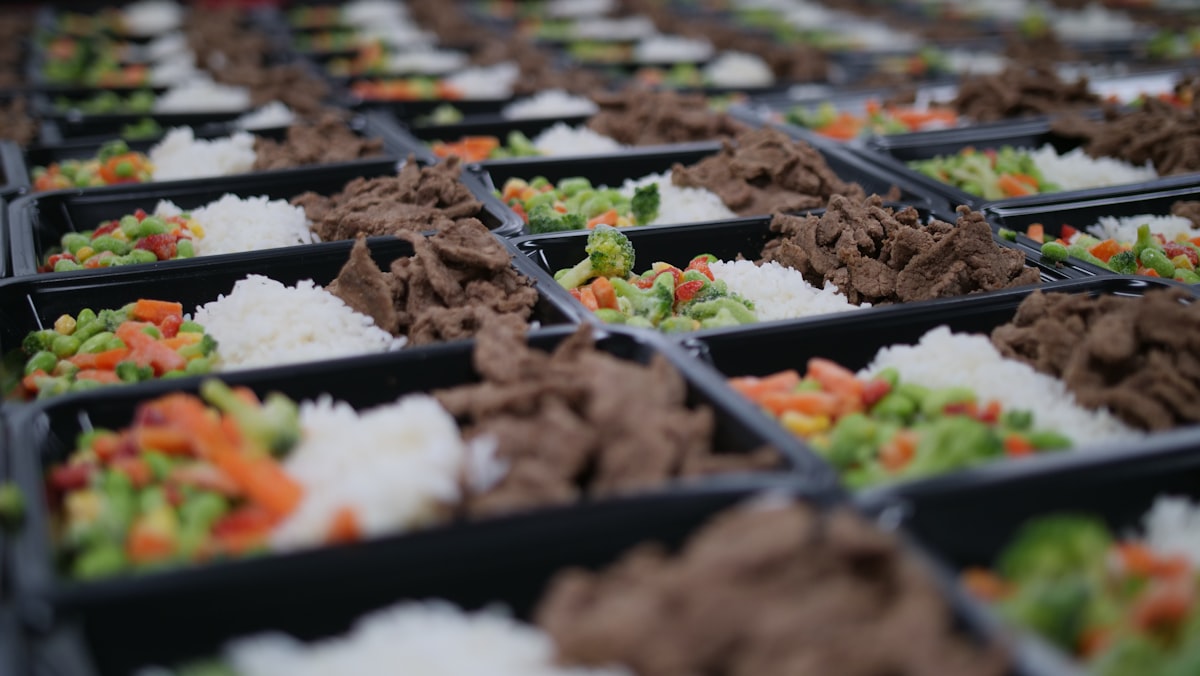
Roasted Vegetable Plate
Seasonal vegetables roasted with herbs and spices, paired with whole grains and plant-based protein for a complete meal.
Nutrition focus: Phytonutrients, hydration, satiety
Customization Options for Every Lifestyle
Meal planning adapts to your unique needs and preferences.
Time-Limited Preparation
Working long hours? A meal plan focused on quick-assembly meals and batch-prepared components lets you eat well without spending hours cooking. Simple combinations of pre-cooked grains, vegetables, and proteins create variety with minimal effort.
- 30-minute meal templates
- Sheet pan and one-pot recipes
- Strategic ingredient overlaps
Dietary Preferences & Restrictions
Whether you follow a plant-forward approach, have allergies, or simply prefer certain foods, meal planning accommodates your unique nutrition path. The key is finding nutrient-dense alternatives that satisfy your taste and wellness goals.
- Plant-based protein strategies
- Allergen-aware menu building
- Multicultural flavor exploration
Common Questions About Meal Planning
Get answers to the questions our readers ask most often.
How do I start meal planning if I've never done it before?
Begin with a single week and keep it simple. Choose just five dinners you already enjoy, then build around them with breakfast and lunch options. As you become comfortable with the rhythm, you can expand complexity and experiment with new recipes. The goal is building confidence, not perfection.
How much time does meal planning actually take?
Most people spend 30-45 minutes per week on planning and another 1-2 hours on ingredient preparation. This investment saves time during the week by eliminating decision fatigue and cooking scrambles. Many find the mental clarity worth far more than the time spent.
What if my plans change mid-week?
Plans are guides, not rules. If you need to swap meals around, use ingredients flexibly, or eat out unexpectedly — that's completely fine. A good plan has built-in flexibility. Focus on the overall pattern of balanced eating rather than rigid adherence to a specific schedule.
How does meal planning help with nutrition goals?
Planning removes the guesswork from nutrition. When you know what you're eating in advance, you can balance macronutrients, ensure variety in vegetables, and avoid empty calories from impulsive choices. This intentionality is what creates lasting health improvements.
Is meal planning expensive?
When done strategically, meal planning actually reduces food spending by minimizing waste and preventing impulse purchases. Buying whole ingredients instead of convenience foods, using seasonal produce, and planning around sales all contribute to cost savings while improving nutrition quality.
Can families with different preferences all eat the same meals?
Absolutely. Build meals with a common foundation but allow customization. For example, a base of grains and roasted vegetables can be topped with different proteins or sauces based on preference. This approach teaches flexibility and ensures everyone feels included in meals together.
Deepen Your Meal Planning Knowledge
Our editorial team has compiled comprehensive guides on nutrition, meal strategies, and wellness practices. Explore articles that help you build a sustainable approach to eating well every day.